
How Dental Implants Eliminate the Need for Bone Grafting Through Immediate Placement Protocols
The Evolution of Modern Implant Dentistry
The landscape of restorative dentistry has undergone a remarkable transformation over the past two decades, with immediate placement protocols revolutionising the way clinicians approach tooth replacement. Traditionally, patients requiring dental implants faced a lengthy journey involving tooth extraction, bone grafting procedures, extended healing periods, and finally implants placement—a process that could stretch across many months. However, contemporary techniques for dental implants Northern Ireland have fundamentally altered this timeline, offering patients a streamlined pathway to restoration that often eliminates the need for supplementary bone grafting altogether.
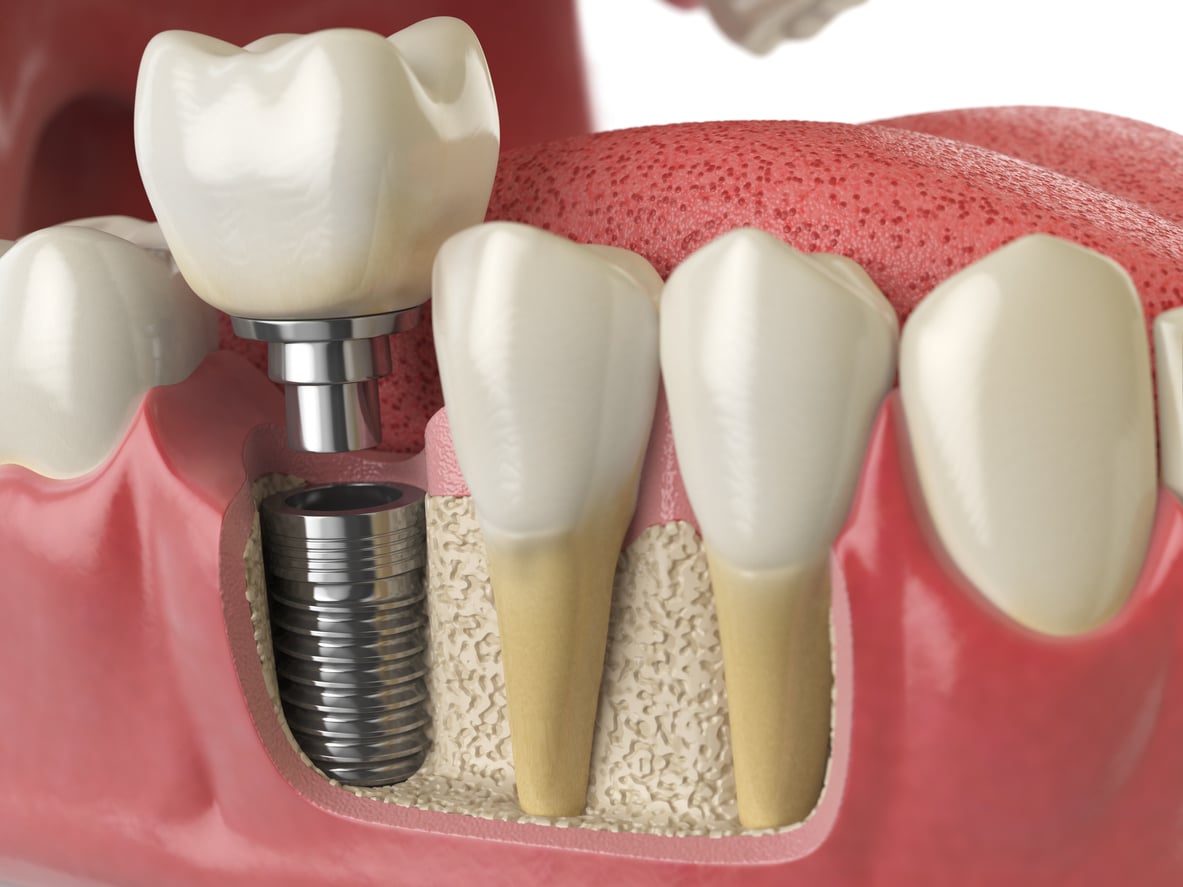
The concept of immediate implant placement centres on the strategic insertion of titanium posts directly into extraction sockets immediately following tooth removal. This approach capitalises on the existing bone architecture whilst it remains intact, preserving the natural contours of the alveolar ridge. By acting swiftly, dentists can take advantage of the socket’s dimensional stability before the inevitable resorption process begins—a physiological response that typically commences within hours of tooth extraction and continues progressively over subsequent months.
Understanding the Science Behind Immediate Placement
The biological rationale supporting immediate placement protocols rests upon well-established principles of osseointegration and bone remodelling. When a tooth is extracted, the surrounding alveolar bone loses its functional stimulus, triggering a cascade of resorptive changes that can result in significant dimensional loss—particularly in the buccal aspect of the ridge. Research into immediate implant placement outcomes and success rates has demonstrated that prompt intervention can substantially mitigate this bone loss, preserving the three-dimensional architecture necessary for optimal implant positioning.
The key to successful immediate placement lies in achieving primary stability—the mechanical interlock between the implant surface and the surrounding bone tissue. Dentists must carefully assess bone density, socket morphology, and the absence of active infection before proceeding with this protocol. When conditions prove favourable, the implant can be positioned with sufficient torque to ensure stability, allowing the natural healing process to progress unimpeded. This approach has become increasingly popular amongst those seeking dental implants practitioners offer, reflecting a broader shift towards minimally invasive techniques.
Clinical Advantages of Immediate Placement Techniques
The benefits of immediate placement protocols extend far beyond mere convenience, offering tangible clinical and aesthetic advantages that traditional staged approaches cannot match. By preserving the natural bone volume and soft tissue architecture, dentists can achieve superior aesthetic outcomes, particularly in the anterior region where gum line symmetry and papilla preservation prove critical to patient satisfaction. The immediate filling of the extraction socket prevents the collapse of surrounding tissues, maintaining the facial contours that contribute to a natural appearance.
Furthermore, patients experience significantly reduced treatment duration and fewer surgical interventions. Rather than enduring multiple procedures separated by lengthy healing intervals, individuals can progress from extraction to restoration in a fraction of the conventional timeframe. This consolidation of treatment phases not only diminishes patient anxiety but also reduces overall costs associated with repeated surgical appointments and extended prosthodontic phases.
Patient Selection and Protocol Considerations
Whilst immediate placement protocols offer compelling advantages, successful outcomes depend heavily upon meticulous patient selection and adherence to established clinical guidelines. The international consensus on implant placement timing emphasises the importance of adequate bone volume apical and lateral to the extraction socket, alongside the absence of acute infection or significant periodontal disease.
Dentists must evaluate numerous factors before proceeding, including bone density classification, socket wall integrity, and the patient’s systemic health status. Comparative analyses of immediate versus delayed placement approaches have illuminated specific scenarios where immediate protocols yield optimal results, whilst identifying circumstances where a delayed approach may prove more prudent.
The Future of Implant Placement Protocols
The continued refinement of immediate placement techniques represents a significant milestone in restorative dentistry, offering patients expedited treatment without compromising long-term outcomes. As digital planning tools, advanced imaging modalities, and improved implant surface technologies continue to evolve, the indications for immediate placement will likely expand further, potentially reducing the need for bone grafting procedures in an even broader patient population. This progression towards minimally invasive, time-efficient protocols underscores the dynamic nature of modern dental practice and its commitment to enhancing patient experiences whilst maintaining clinical excellence.

